


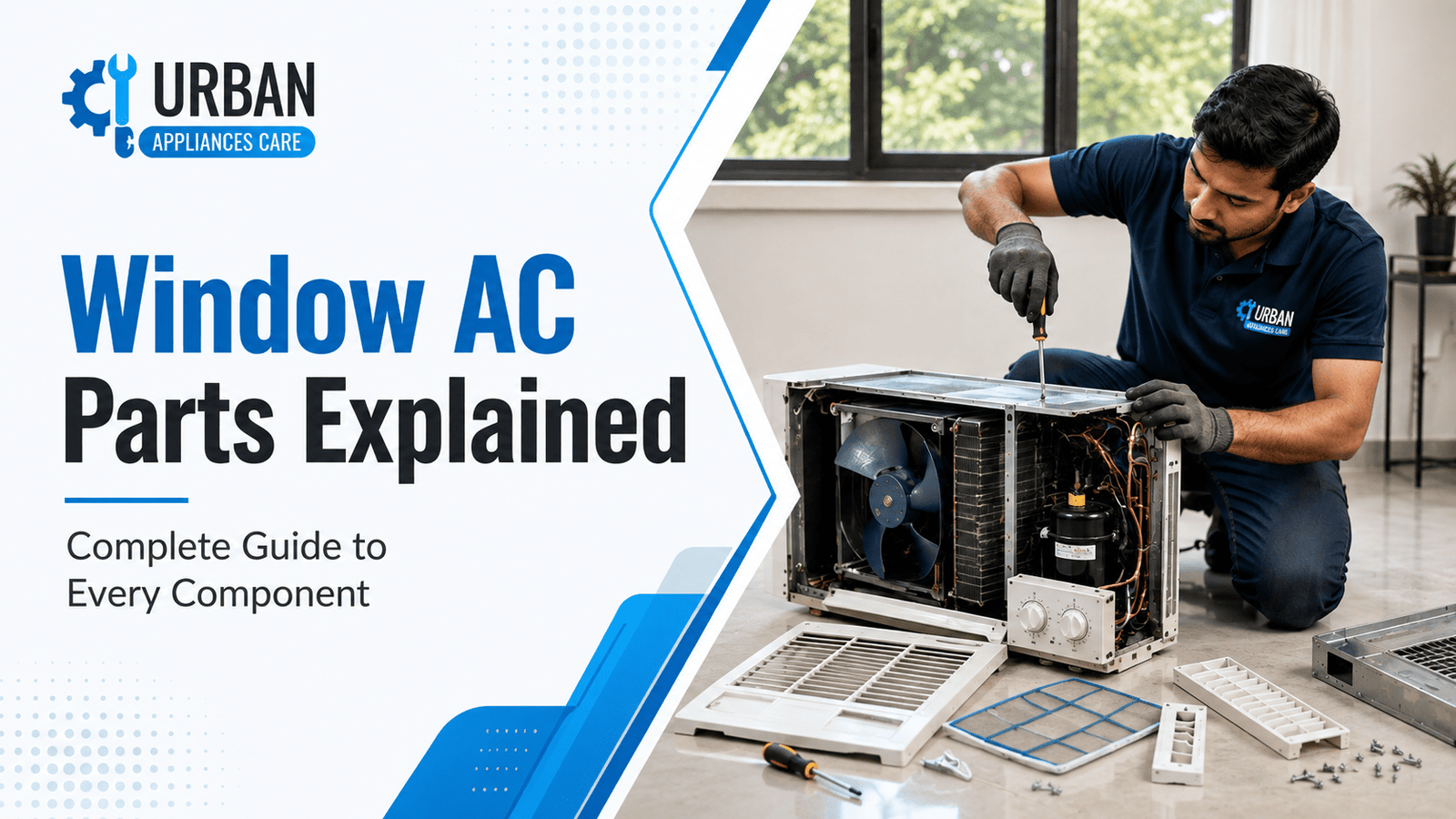
Learn about every part of your window AC – evaporator, compressor, capacitor, PCB & more. Quick-reference table, part functions, and troubleshooting tips from Kolkata’s AC repair experts.
A window AC is a self-contained cooling system that fits every major part, including the compressor, evaporator, condenser, and fan, inside a single box. Unlike split ACs, it has no separate indoor and outdoor units. Understanding the parts of a window AC helps you know exactly what’s happening inside when something goes wrong.
This guide covers a quick-reference table of all window AC parts and their functions, a clear explanation of how each part works, and a simple diagnostic guide connecting parts to common problems.
Quick Summary
- A window AC’s parts fall into 3 groups: cooling/mechanical parts, electrical parts, and structural/drainage parts.
- Cooling parts include the compressor, condenser coil, and evaporator coil.
- Electrical parts include the capacitor, PCB (or control panel), and thermostat.
- Structural parts include the front panel, casing, and drain pan.
- Most searched parts: Compressor, Evaporator Coil, Condenser Coil, Capacitor, Air Filter, and PCB.
- Most window AC problems trace back to a dirty air filter, a weak capacitor, or low refrigerant.
Quick-Reference Table: Window AC Parts at a Glance
| Part Name | Location (Indoor/Outdoor Section) | Main Function |
|---|---|---|
| Compressor | Outdoor section | Compresses refrigerant gas, raises pressure/temperature |
| Condenser Coil | Outdoor section | Releases heat absorbed from room to outside air |
| Evaporator Coil | Indoor section | Absorbs heat from room air to cool it |
| Capillary Tube/Expansion Valve | Between coils | Reduces refrigerant pressure before entering evaporator |
| Refrigerant | Circulates through system | Carries heat from indoor to outdoor air |
| Blower Fan | Indoor section | Pulls warm room air across evaporator, pushes cool air back |
| Condenser Fan | Outdoor section | Pushes outside air across condenser coil to release heat |
| Fan Motor | Often shared (dual shaft) | Drives both blower and condenser fan |
| Air Filter | Indoor, front of unit | Removes dust before air passes over evaporator coil |
| Capacitor | Electrical compartment | Stores/releases power to start and run motors |
| Selector Switch | Control panel | Controls on/off, cooling/fan-only mode, fan speed |
| Thermostat | Attached near evaporator | Senses room temperature, cycles compressor on/off |
| PCB/Control Board | Control panel (modern units) | Electronic control of all functions and sensors |
| Overload Protector/Relay | Compressor housing | Protects compressor motor from overheating |
| Front Panel/Grille | Front of unit | Covers internals, directs airflow via louvres |
| Drain Pan | Base of unit | Collects condensation water from evaporator |
| Condensation Drain | Rear of unit | Channels collected water outside |
How a Window AC Works?
A window AC is a single, self-contained box that cools a room using the Vapour Compression Refrigeration Cycle (VCRC). This is the same principle used inside a refrigerator, applied here to cool an entire room instead of a small compartment.
Here’s how the cooling cycle works, step by step:
- The blower pulls warm room air over the evaporator coil, where refrigerant absorbs the heat.
- Cool air blows back into the room, while moisture condenses and drains away.
- Low-pressure refrigerant vapour moves to the compressor and gets compressed into high-pressure hot gas.
- Hot refrigerant travels to the condenser coil, where the condenser fan blows outside air across it to release heat.
- The refrigerant turns to liquid and passes through the capillary tube (expansion valve), dropping its pressure and temperature.
- Cooled liquid refrigerant returns to the evaporator coil, and the cycle repeats until the thermostat cuts off the compressor.
Main Mechanical & Cooling Parts of Window AC
Compressor
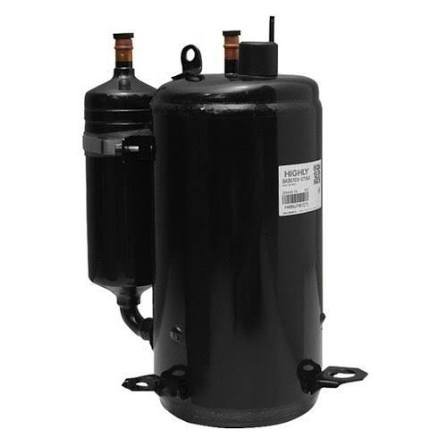
- What it is: Often called the heart of the AC, usually a hermetically sealed unit with the motor built inside.
- Function: It compresses low-pressure refrigerant vapour into high-pressure, high-temperature vapour, driving the entire cooling cycle forward.
For all branded AC installations, including window AC and split AC, contact Urban Service Plaza, an ISO 9001:2015 certified appliance repair company in Kolkata.
Condenser Coil
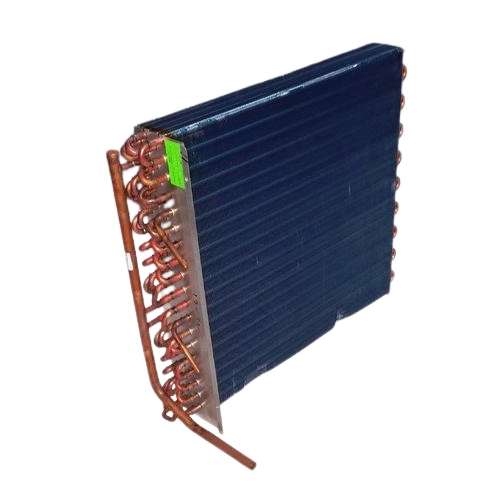
- What it is: A coiled copper tube covered with aluminium fins, located at the rear of the outdoor section.
- Function: It releases the heat absorbed from indoor air into the outside atmosphere, letting the refrigerant turn back into liquid.
Evaporator Coil (Cooling Coil)
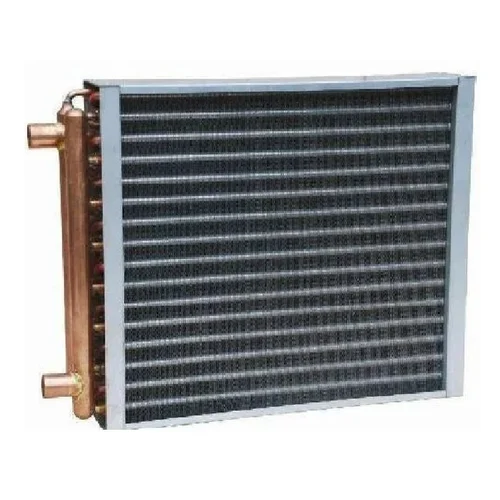
- What it is: A copper coil placed indoors, carrying low-temperature refrigerant.
- Function: It absorbs heat from room air, producing the cool air that the blower sends back into the room.
Capillary Tube/Expansion Valve
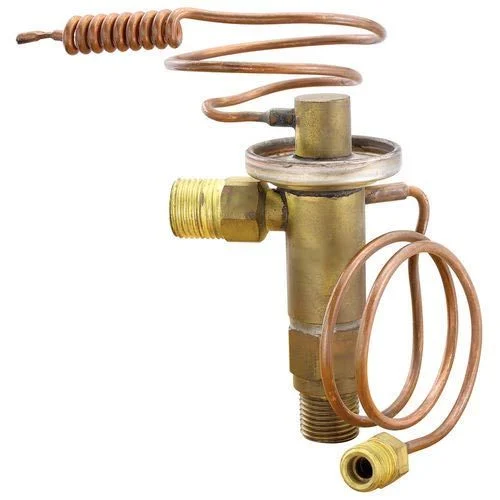
- What it is: A narrow copper tube with several coiled rounds, connecting the condenser to the evaporator.
- Function: It causes a sudden drop in refrigerant pressure and temperature before the refrigerant re-enters the evaporator coil.
Refrigerant
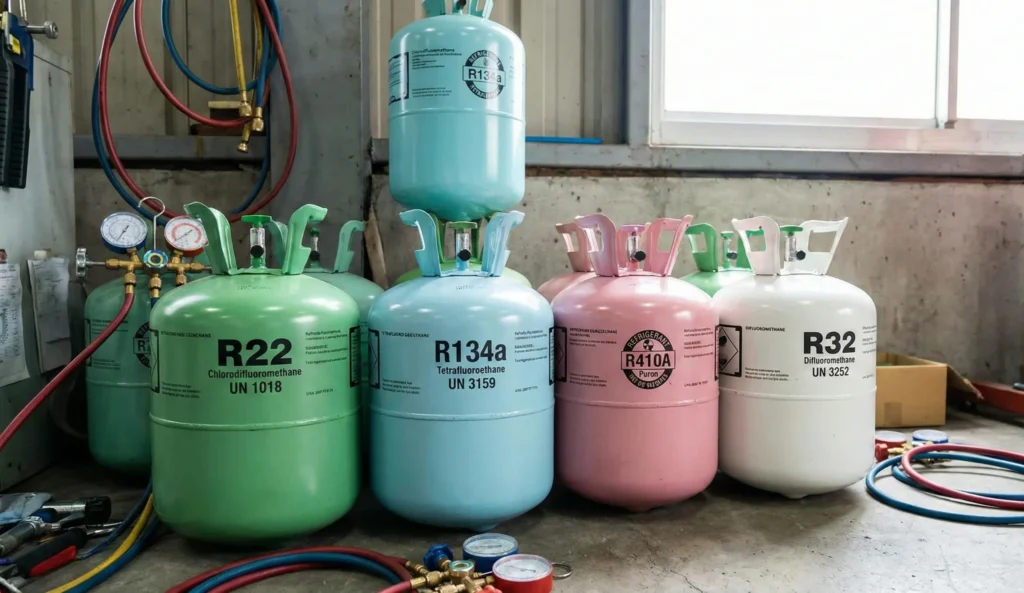
- What it is: The circulating fluid that carries heat between the evaporator and condenser coils throughout the cycle.
- Function: It absorbs heat indoors and releases it outdoors. Never handle or top up refrigerant yourself; always leave this to a trained technician.
Air Circulation Parts of Window AC
Blower Fan (Evaporator Fan)
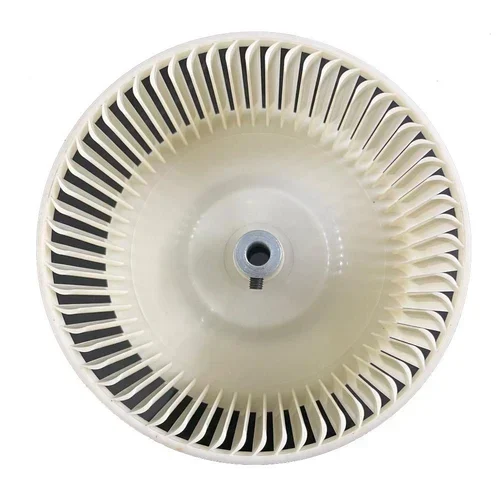
- What it is: A centrifugal fan located near the evaporator coil, inside the indoor section of the unit.
- Function: It pulls warm room air through the air filter and across the evaporator coil, then pushes the cooled air back into the room.
Condenser Fan
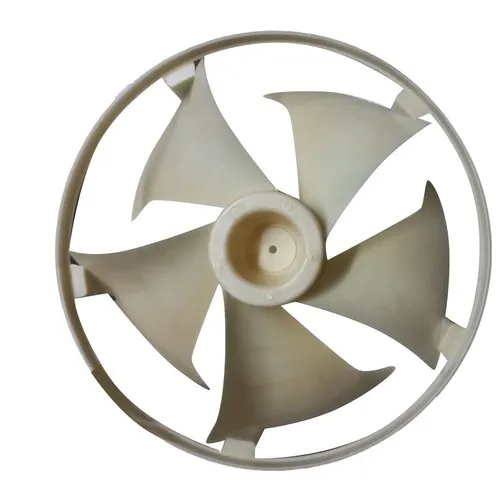
- What it is: An axial-flow fan positioned at the rear of the unit, in the outdoor section.
- Function: It draws outside air across the condenser coil, helping release the heat absorbed from indoor air into the atmosphere.
Fan Motor
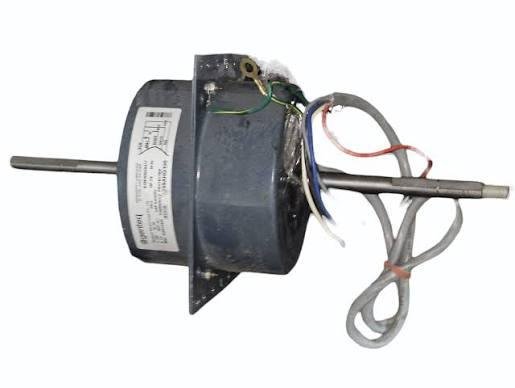
- What it is: A double-shaft motor that runs both fans in most window ACs, with one shaft on either side.
- Function: It drives the blower fan and condenser fan simultaneously. If this motor fails, both fans stop working at once.
Air Filter
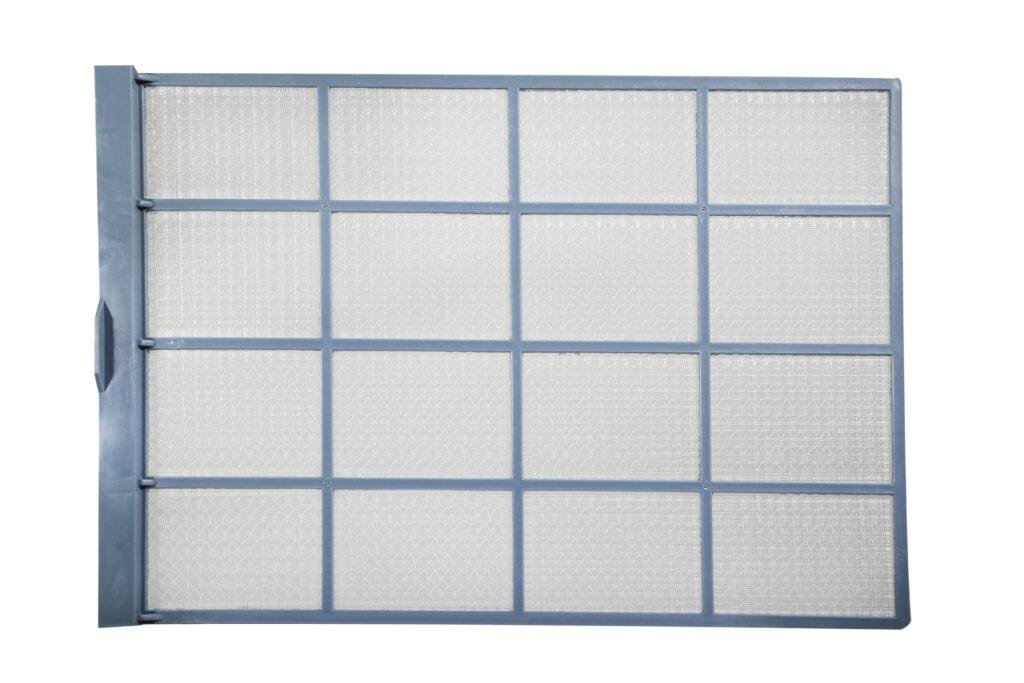
- What it is: A throwaway or washable mesh filter placed in front of the evaporator coil.
- Function: It removes dust and impurities from incoming air before cooling, protecting the evaporator coil and other internal parts from buildup.
Electrical & Control Parts of Window AC
Capacitor (Starting & Running)
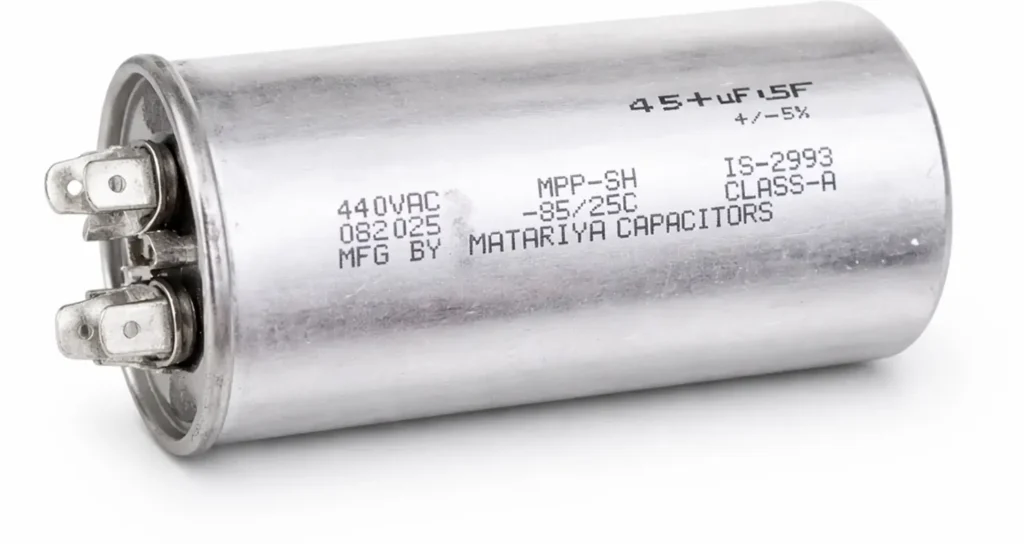
- What it is: An electrical component that stores and releases energy, usually rated separately for starting and running functions.
- Function: It gives the compressor and fan motors the initial power jolt needed to start and keep running efficiently. A weak capacitor is one of the most common causes of window AC problems.
Selector Switch
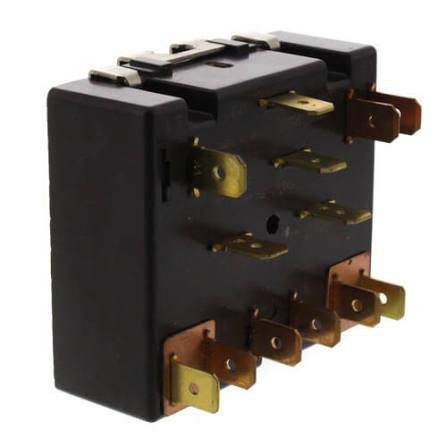
- What it is: The control that routes power from the hot wire to the thermostat and compressor.
- Function: It manages the on/off function, fan speed settings (low/high), and cooling or fan-only mode, directing electricity to the right parts.
Thermostat
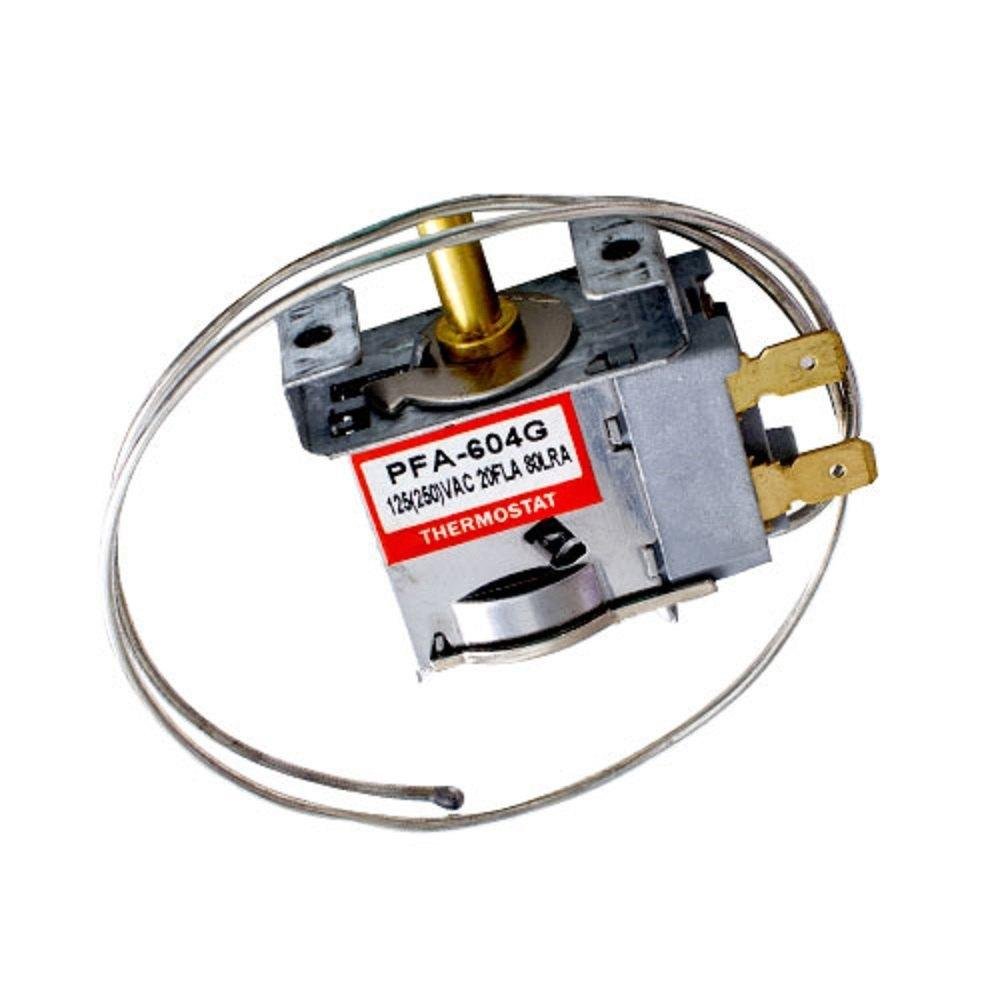
- What it is: A control device with a sensing bulb placed near the evaporator coil.
- Function: It monitors room temperature and automatically cycles the compressor on and off to maintain the temperature you’ve set.
PCB/Control Board
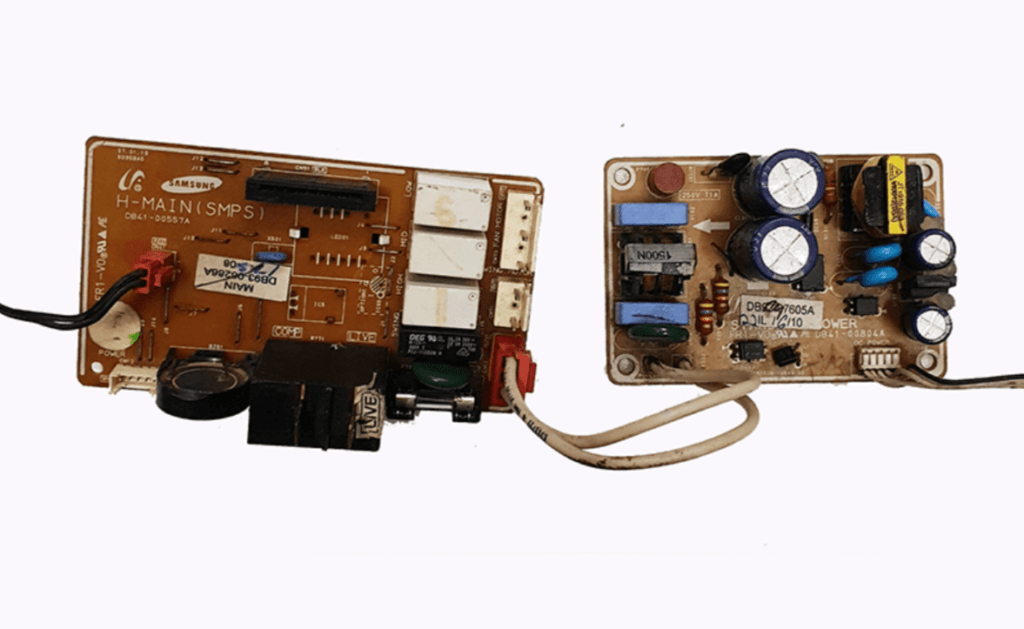
- What it is: The electronic control board found in modern window ACs, replacing older mechanical controls.
- Function: It receives input from sensors and manages temperature control, fan speed, and display functions electronically.
Overload Protector/Relay
- What it is: A safety device fitted near the compressor housing.
- Function: It protects the compressor motor from overheating by tripping and stopping the compressor if the winding gets too hot, then allows it to restart once cooled.
Structural & Drainage Parts of Window AC
Front Panel/Face Panel/Grille Cover
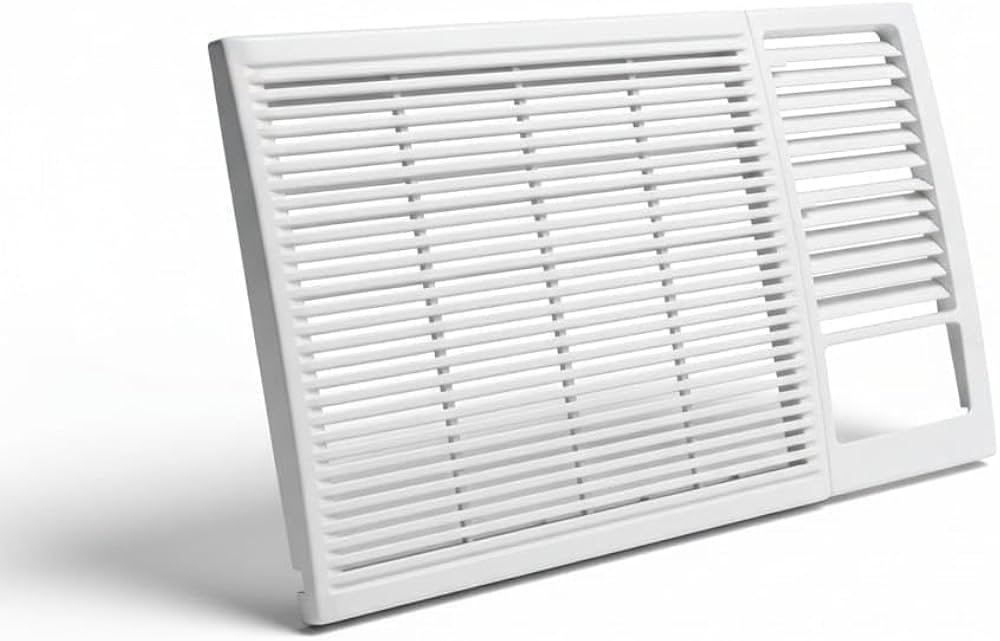
- What it is: The visible cover at the front of the unit, fitted with adjustable horizontal and vertical louvers.
- Function: It directs airflow into the room and must be removed first for most repairs and cleaning tasks.
Cabinet/Casing
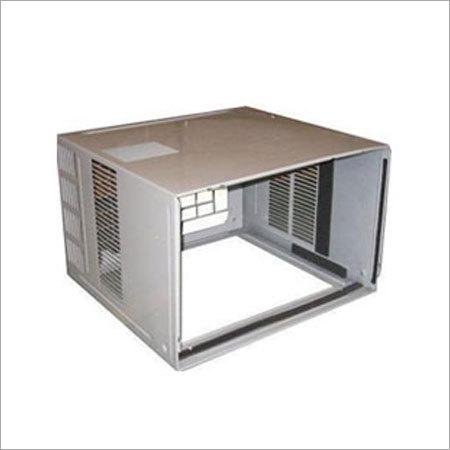
- What it is: The outer metal casing fixed into the window or wall opening.
- Function: It holds and protects all internal components, keeping the unit securely mounted in place.
Insulated Partition
- What it is: A divider fitted inside the casing, separating the indoor section from the outdoor section.
- Function: It prevents heat transfer between the two sides, keeping cooled indoor air from mixing with outdoor heat.
Drain Pan
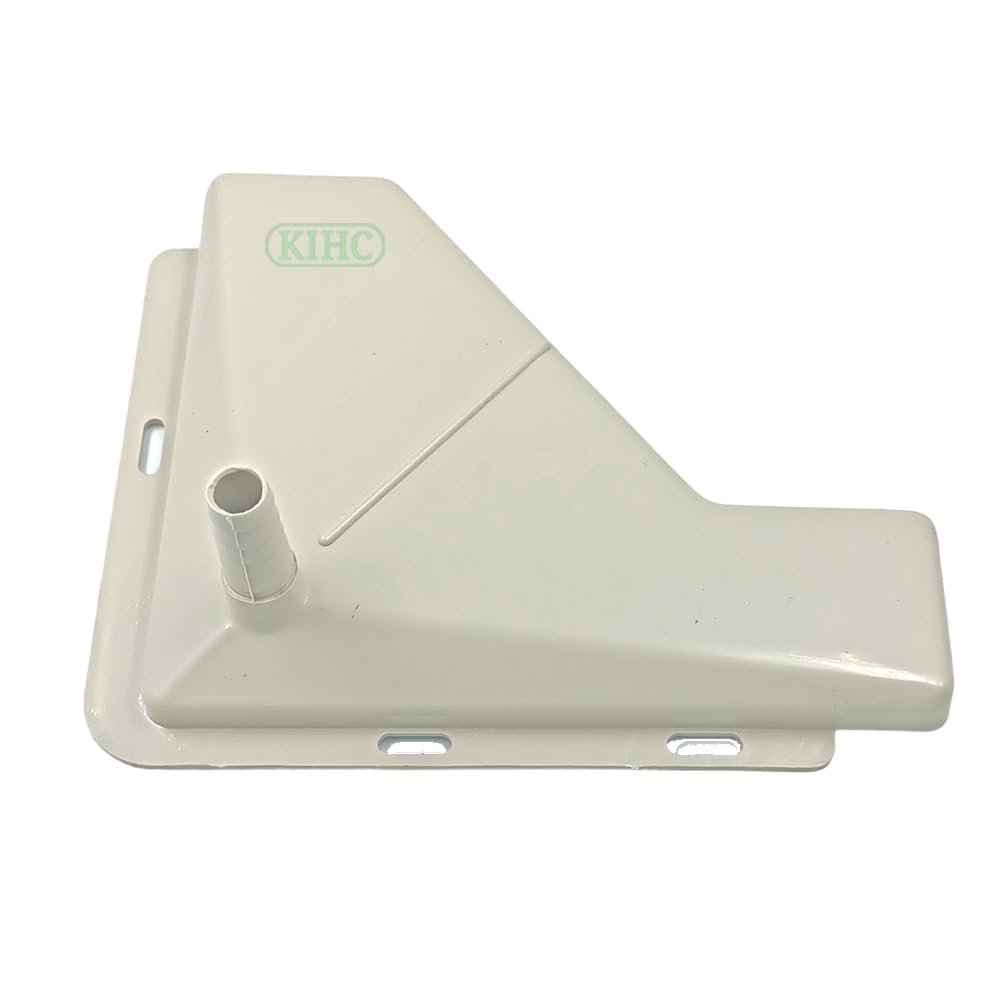
- What it is: A slanted pan positioned beneath the evaporator coil.
- Function: It collects condensation formed during cooling and channels it toward the rear drain port.
Condensation Drain
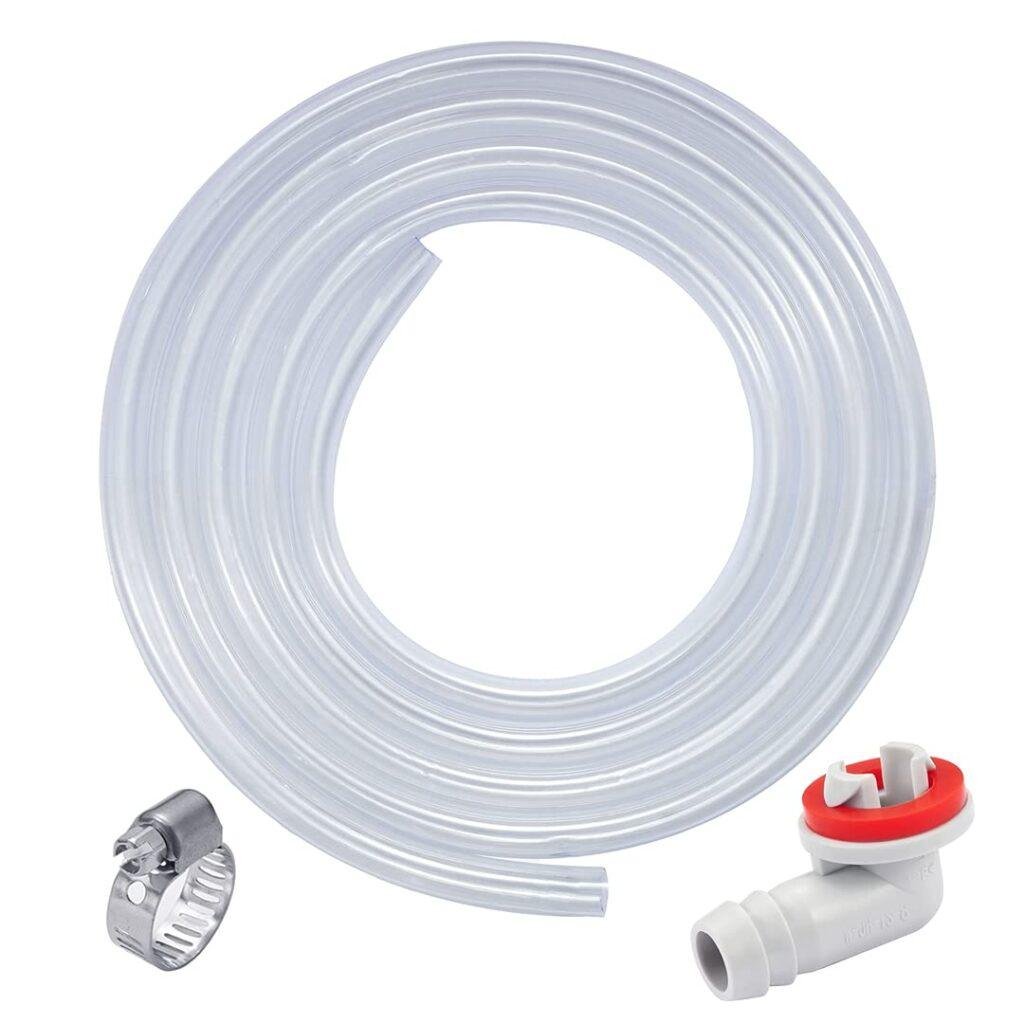
- What it is: The outlet and piping system located at the rear of the unit.
- Function: It carries collected water safely outside, preventing leakage inside the room.
Which Window AC Part Is Usually Behind Your Problem?
| Symptom | Likely Part(s) Responsible |
|---|---|
| AC not turning on at all | Power supply, PCB, relay, capacitor, selector switch |
| Low/no cooling | Air filter, evaporator/condenser coil (dirty), refrigerant, compressor, capacitor |
| Ice forming on coil | Air filter, blower fan, capacitor, refrigerant level |
| Water leaking inside room | Drain pan, drain hole/pipe, installation tilt angle |
| AC turns on/off frequently (short cycling) | Thermostat sensor position, refrigerant leak, condenser blockage |
| Loud noise/vibration | Fan motor bearings, loose panel/screws, compressor, foreign object in fan |
| Weak or no airflow | Blower fan, fan motor, blocked filter, obstruction/nest in blower |
| Compressor trips after a few minutes | Capacitor, relay, low voltage, overheating, fan failure |
| One side cools, other side warm | Capillary tube (partial blockage), uneven refrigerant distribution |
| AC doesn’t change modes/fan speed | Selector switch, PCB |
Conclusion
Knowing the parts of a window AC, from the compressor and evaporator to the condenser, capacitor, PCB, and air filter, helps you spot problems early. It also lets you explain issues clearly to a technician instead of guessing what’s wrong.
Most everyday issues trace back to a dirty filter, a weak capacitor, or low refrigerant. However, electrical faults and refrigerant work should always be left to a trained professional. For AC problems beyond simple DIY fixes, Urban Service Plaza offers doorstep AC repair and maintenance services across Kolkata.


